Find Your Perfect A.u.D.
Blog
Can A Healthy Diet Lower Your Risk of Hearing Loss?
Can A Healthy Diet Lower Your Risk of Hearing Loss?
Hearing loss affects nearly 50 million individuals throughout the United States. As we all know nutrition is fundamental to health, but what you might not know is how it can affect the auditory system. Although there is no one remedy that is going to cure hearing loss studies confirm that hearing loss and poor nutrition go hand and hand!
Bringham and Women's Hospital (BWH) conducted a study using a questionnaire and responses from roughly 71,000 women. These studies monitored the consumption of an overall healthy diet vs. a less healthy diet for more than 20 years. They asked the individuals about their eating habits every four years as well as whether they had developed any sort of hearing problem.
Using the responses from the roughly 71,000-woman BWH researchers concluded that those who consumed an overall healthy diet had a lower risk of hearing loss. Woman whose diets resembled the Alternative Mediterranean diet (AMED) & Dietary Approaches to Stop Hypertension (DASH) pattern (known to be associated with good health) had a 30 percent lower risk of a moderate or worse hearing loss.
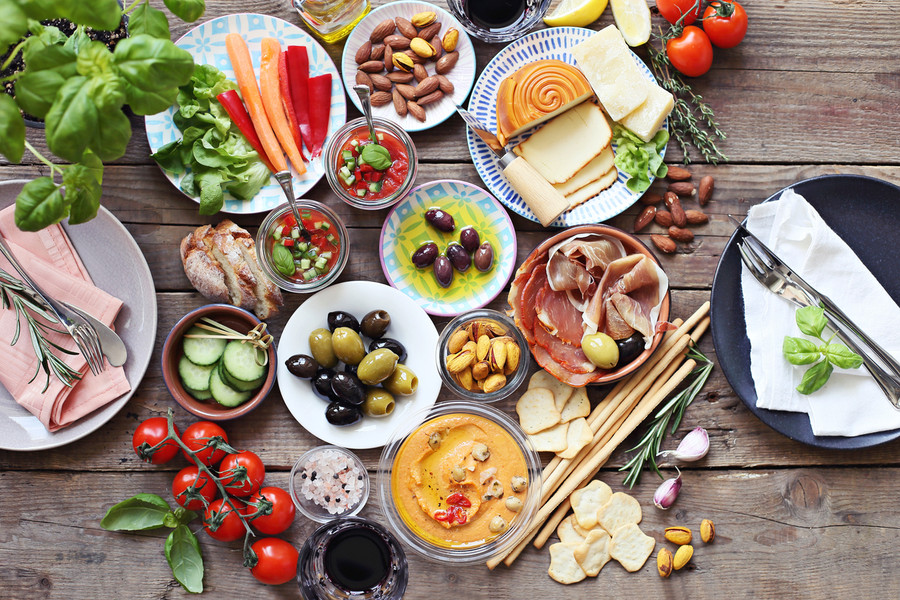
The AMED diet consists of extra virgin olive oil, grains, legumes, vegetables (no potatoes), fruits, nuts, fish and moderate intake of alcohol while the DASH diet being high in fruits, vegetables, nets, seeds, legumes, lean meats, fish, poultry and nonfat dairy. In both these diets it is important to note to limit foods that are high in sodium, low-density lipoprotein (LDL) as well as processed foods.
5 Essential vitamins and minerals for hearing Health
- Folic acid
The damage to hair cells from long exposure to loud noises is one of the leading causes sensorineural hearing loss. Folic acid helps by contributing to new cell growth and increases circulation in the body.
Foods Rich in Folic Acid: Leafy green vegetables, citrus fruits, beans, rice, and cereal
- Potassium
Potassium levels are critical to the working of the inner ears as it regulates the fluid levels that keep the tissues moist. As we age that potassium level in the inner ear seems to decrease which can contribute to hearing loss.
Foods Rich in Potassium: Bananas, oranges, cantaloupe, apricots, legumes
- Zinc
With zinc supplementation in individuals who are zinc deficient there, there has been an improvement in tinnitus and sensorineural hearing loss. It is also known to increase the growth of cells and boost the body's immune system.
Foods rich in zinc: oysters, legumes, eggs, whole grain
- Magnesium
Magnesium treatment has continuously been shown to reduce both temporary and permanent noise induced hearing loss. It is also revealed to help or improve age related hearing loss and tinnitus.
Foods rich in Magnesium: Nuts, spinach, avocados, legumes, tofu, whole grains, seeds
- Omega-3's
Omega-3 fatty acids are known to be essential in promoting heart health, improving insulin sensitivity, but it is also shown to lower the risk of hearing loss. The Blue Mountains Hearing Study shown an inverse relationship between hearing loss and total omega-3 intake.
Foods rich in omega-3's: Salmon, Mackerel, tuna, nuts, seed, plant oils
